The Goulburn and Broken River systems support an array of flora and fauna including state and nationally threatened species.
Plants (aka flora)
Prior to European settlement, our landscape contained a richly diverse and complex mosaic of vegetation communities, from dry granite hills to wet riparian environments, with around 80 per cent of the Greater Shepparton landscape known as plains woodland.
While there has been a decline in biodiversity, vegetation extent and quality surrounding the river, it has been less significant than other urban centres situated on rivers. This is largely due to the nature of the floodplain, the regularity of flooding, and its protection by reservation of the area as State Forest and areas under National Park declarations (Lower Goulburn National Park and Shepparton Regional Park). That being said, our indigenous flora and fauna are now largely restricted to refuge areas along roadsides and riparian bushland with less than 2.5 per cent of native vegetation remaining.
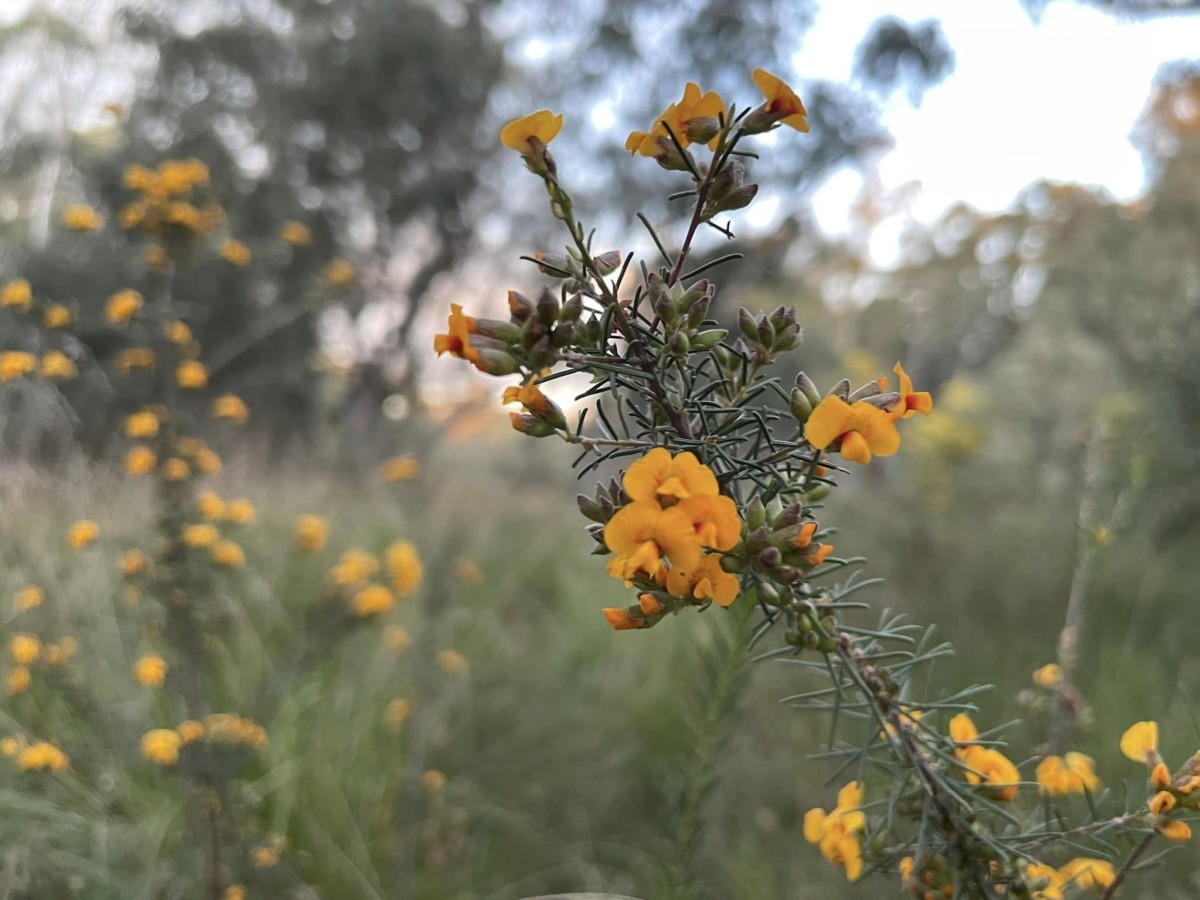
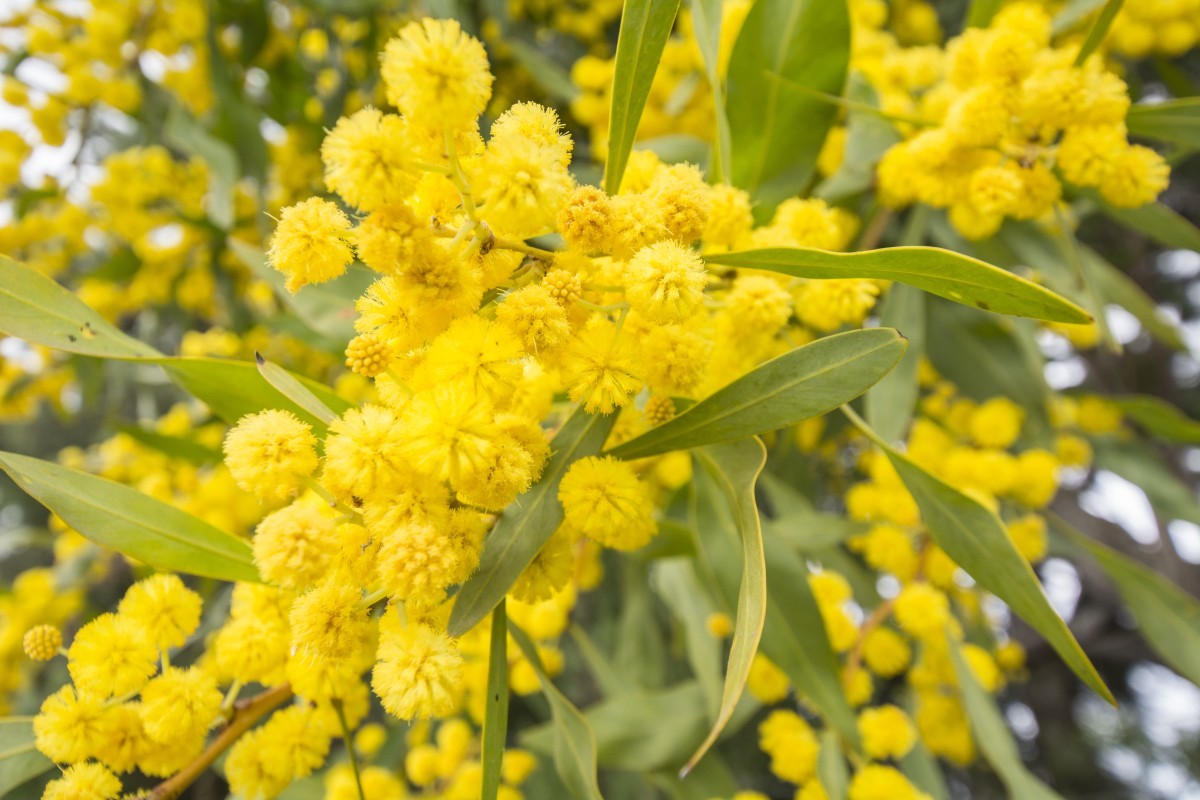
Vegetation along the rivers is predominately River Red Gum (Eucalyptus camaldulensis) with understories comprising of grasses, wattles and native peas.
What plants are local to Greater Shepparton?
Greater Shepparton's local Ecological Vegetation Classes or EVC's are predominantly:
- Plains Woodland
- Riverine Forest and Riparian Woodlands
with scattered areas of
- Sandy Woodlands
To view the distribution of EVCs across Victoria go to the NatureKit Map and select Vegetation.
NatureKit - EVC Distribution Map
Bioregions are used to classify landscape areas, there are 28 bioregions in Victoria. Greater Shepparton comes under the Central Victorian Uplands bioregion. EVC benchmarks including plant lists can be found at the below website.
Victorian Bioregions and EVC Benchmarks
For a simple plant guide of the Goulburn Broken Catchment check out the Native Vegetation Booklet below.
Wildlife (aka Fauna)
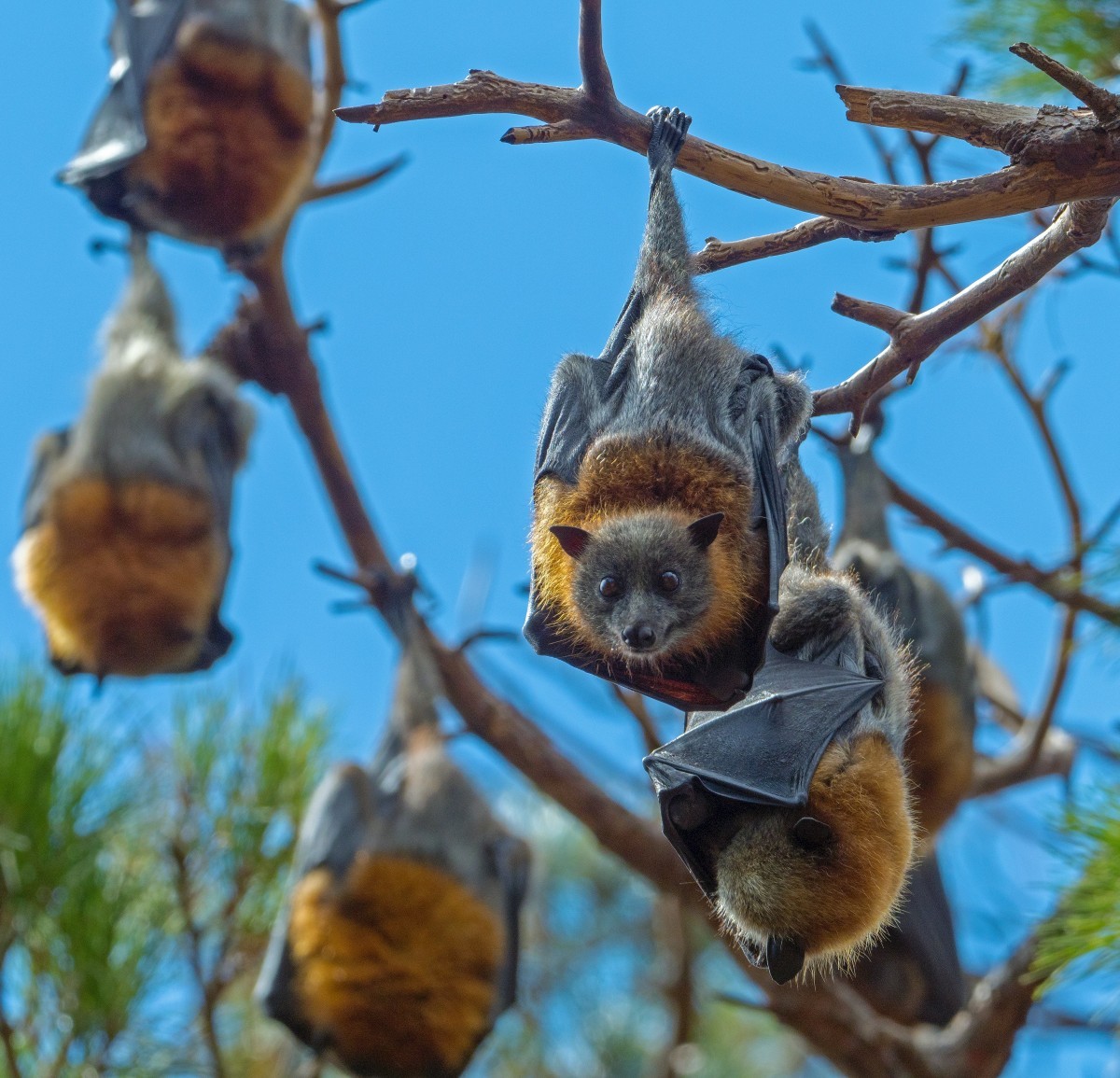
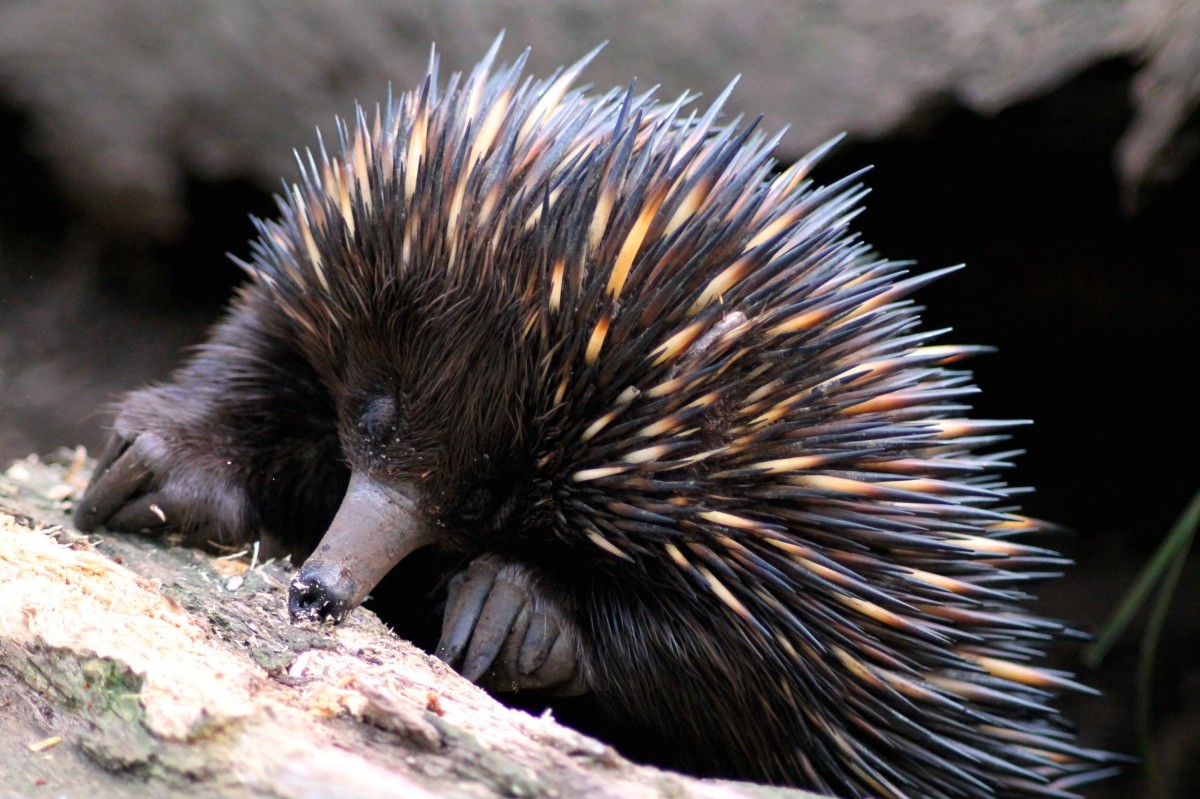
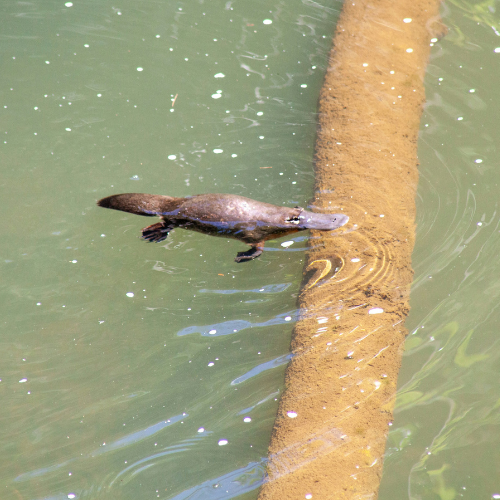
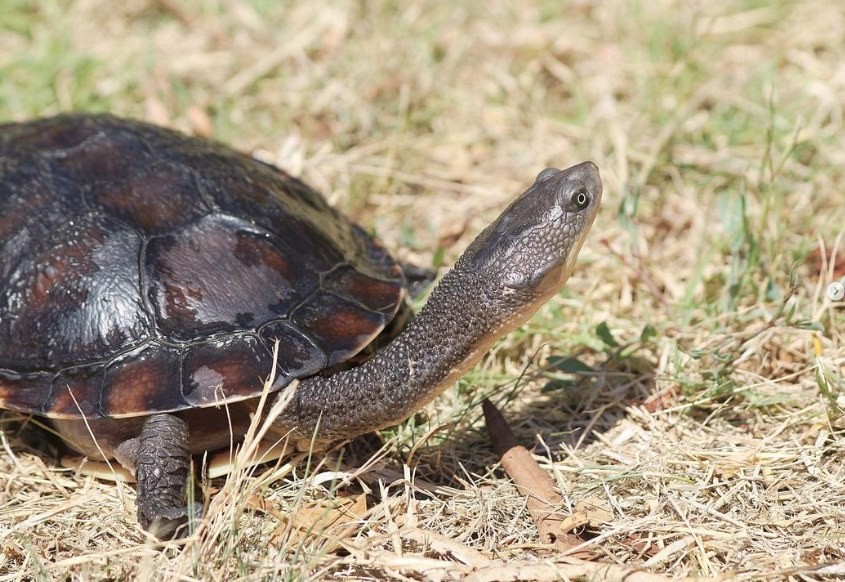
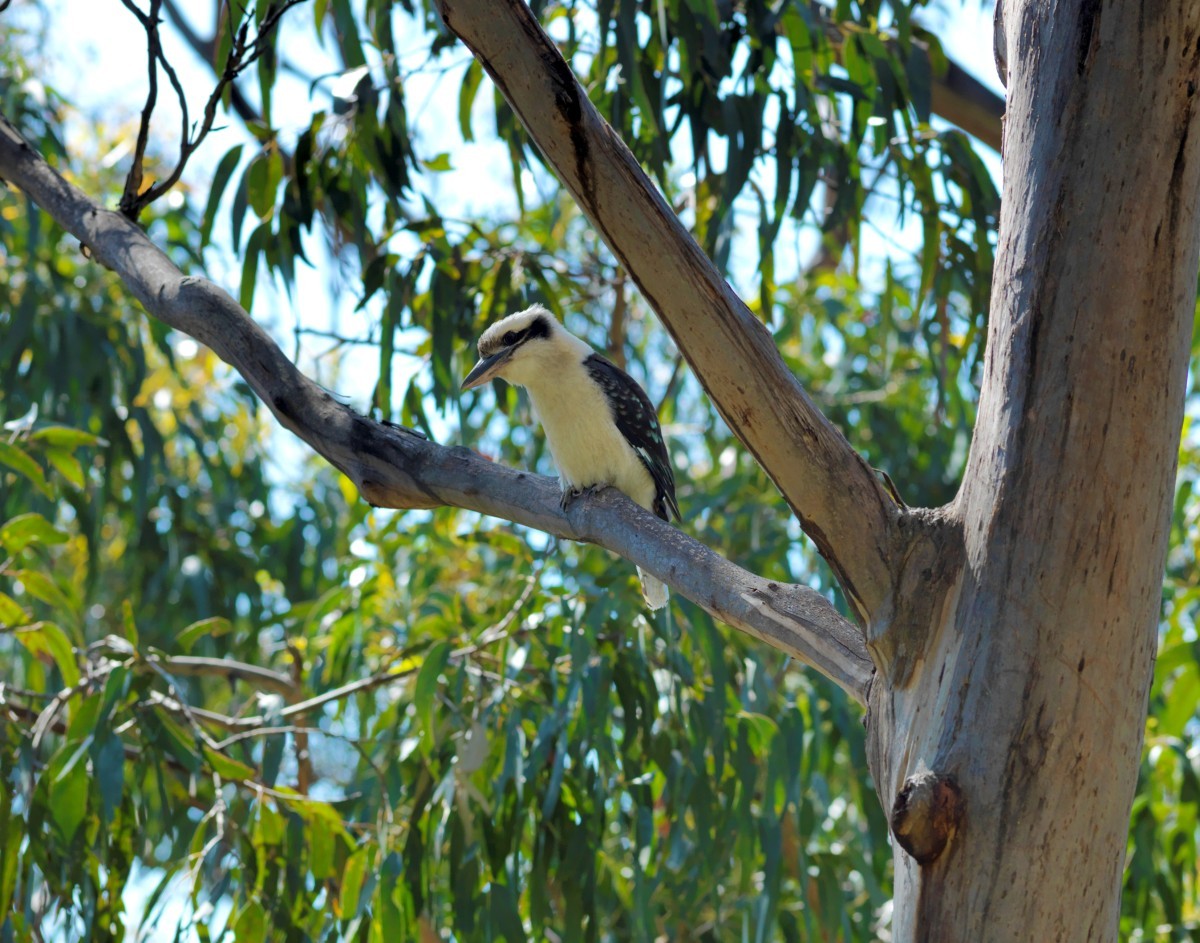
Wildlife such as Squirrel, Sugar and Feathertail Gliders, Ringtail and Brushtail Possums, native fish including Murray Cod, Murray Perch and Silver Perch, Platypus, Rakali, Echidnas, Eastern Grey Kangaroos, Black Wallabies, Yellow-footed Antechinus, Brushtailed Phascogale, freshwater turtles, frogs, lizards, snakes, birds and bats all inhabit our river environment.
Important wildlife populations
- Flying-Fox Colony at Cussen Park, Tatura
- Squirrel Glider population at Australian Botanic Gardens Shepparton
- Freshwater Turtles at Cussen Park, Victoria Park Lake and Gemmill Swamp Wildlife Reserve
- Rainbow Bee- Eaters at Mooroopna Sandhills